
Have you ever held an item in your hand and thought:
"I might need this someday."
If so, you're not alone.
In fact, this may be one of the most common reasons people struggle to declutter. As a professional organizer, I hear it all the time. Whether it's an extra set of dishes, a box of craft supplies, outdated electronics, or clothes that no longer fit, many of us hold onto things because of a future scenario that may never come.
I call this the "Someday Trap."
It's the belief that an item might become useful at some undefined point in the future, so we keep it—just in case.
The problem? All of those "someday" items take up valuable space in our homes today.
Why We Hold On
The "Someday Trap" isn't really about the item itself. It's often tied to emotions, fears, and expectations.
Sometimes we're afraid of wasting money.
"I spent good money on this. What if I need it again?"
Other times, it's tied to guilt.
"Someone gave this to me."
Or optimism.
"Someday I'll start scrapbooking."
"Someday I'll lose the weight and wear these jeans again."
"Someday I'll have time to finish that project."
The item becomes connected to a version of ourselves we hope to be someday.
And letting it go can feel like giving up on that possibility.
The reality is that clutter is often more emotional than practical. Many of the items we struggle to release represent hopes, intentions, memories, or identities rather than actual needs.
The Hidden Cost of "Someday"
Keeping something "just in case" may seem harmless, but it comes with a cost.
Every item in your home occupies physical space, visual space, and mental space.
The more things we keep for hypothetical futures, the less room we have for the life we're actually living right now.
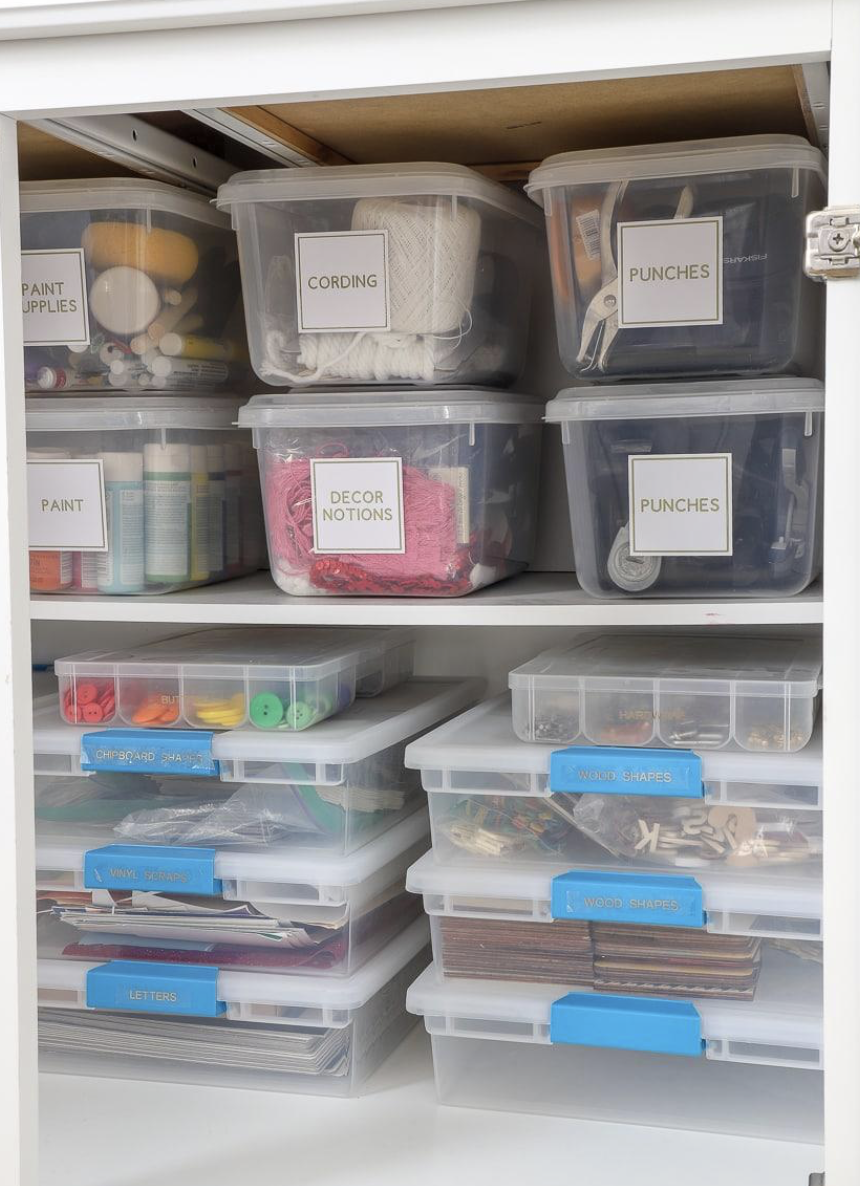
Those bins in the basement.
The overflowing closet.
The shelves packed with unfinished projects.
They all require your attention, whether you realize it or not.
Over time, excess belongings can contribute to feelings of overwhelm and make it harder to use your home efficiently. Many people find that clutter creates visual noise that competes for their attention and energy.
Ask Yourself Better Questions
When you're decluttering, instead of asking:
"Could I ever use this?"
Try asking:
"Would I buy this again today?"
"Have I used this in the past year?"
"Is this supporting the life I'm living now?"
"If I needed this again, could I realistically replace or borrow it?"
These questions shift your focus from an imagined future to your current reality.
And that's where the best decluttering decisions happen.
Be Honest About Your Fantasy Self
One of the hardest categories to declutter is what I call "fantasy self" clutter.
These are the items tied to the person we think we should become.
The gourmet cooking gadgets for someone who rarely cooks.
The exercise equipment collecting dust in the corner.
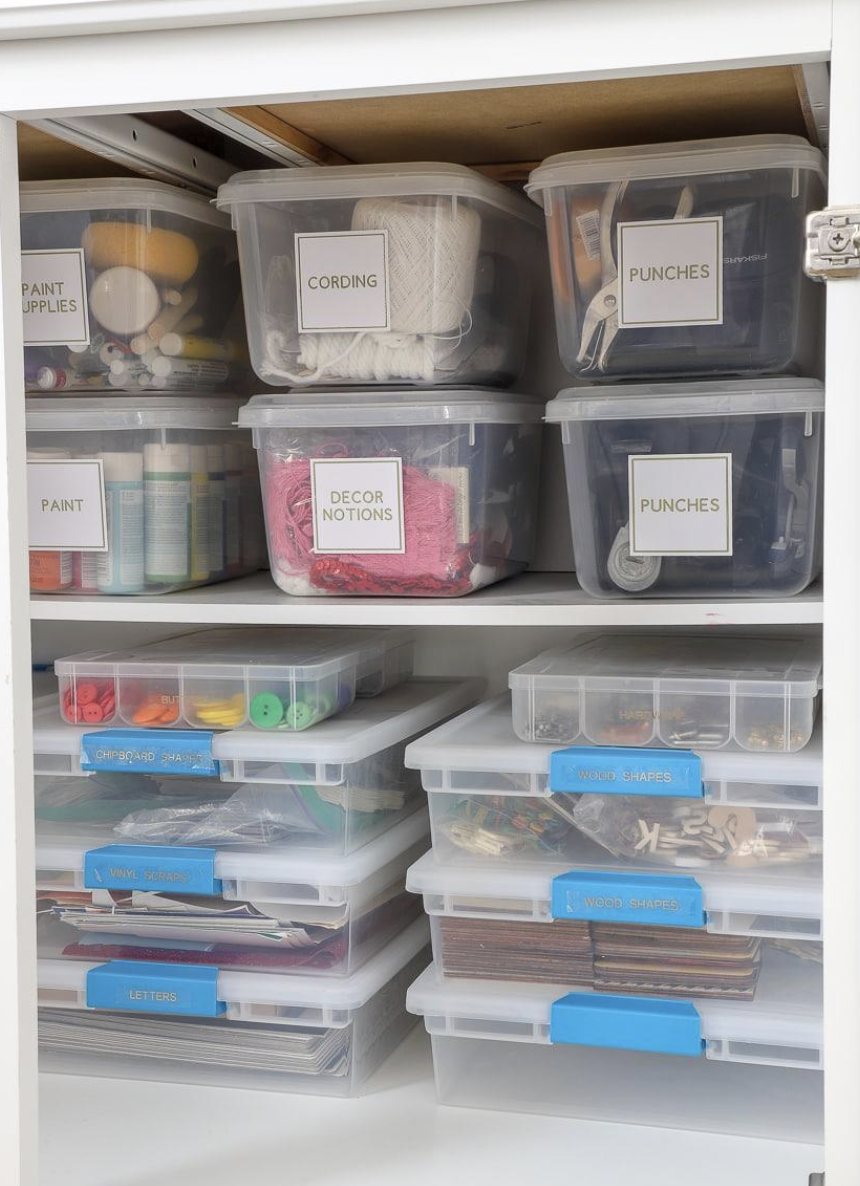
The crafting supplies for hobbies we never seem to have time for.
The stack of books we feel guilty for not reading.
Keeping these items doesn't make us more likely to become that person.
In many cases, they simply become a reminder of something we haven't done yet.
Giving yourself permission to let go can be incredibly freeing.
Create a "Maybe" Box
If you're struggling with a decision, don't force it.
Instead, create a temporary "Maybe Box."
Place uncertain items inside, label the box with today's date, and store it out of sight.
If six months go by and you haven't needed anything from it, you've gained valuable information.
You didn't need it after all.
This approach removes some of the fear and pressure from the decluttering process while helping you make decisions with confidence later.
Trust Yourself
One of the biggest mindset shifts in organizing is realizing that you can trust yourself to handle future situations.
Many people keep things because they fear being unprepared.
But chances are you've successfully solved countless problems throughout your life.
If a genuine need arises in the future, you'll figure it out.
What you need today is a home that supports you now—not one filled with items waiting for a someday that may never come.
Final Thoughts
The "Someday Trap" is powerful because it disguises itself as practicality.
But often, what we're really storing isn't the item itself—it's a possibility.
While it's wise to plan ahead, it's equally important to create space for the life you're living today.
The next time you pick up an item and think, "I might need this someday," pause and ask yourself:
Is this serving me now, or am I simply storing a possibility?
Your future self may thank you for choosing space, clarity, and peace of mind instead.