
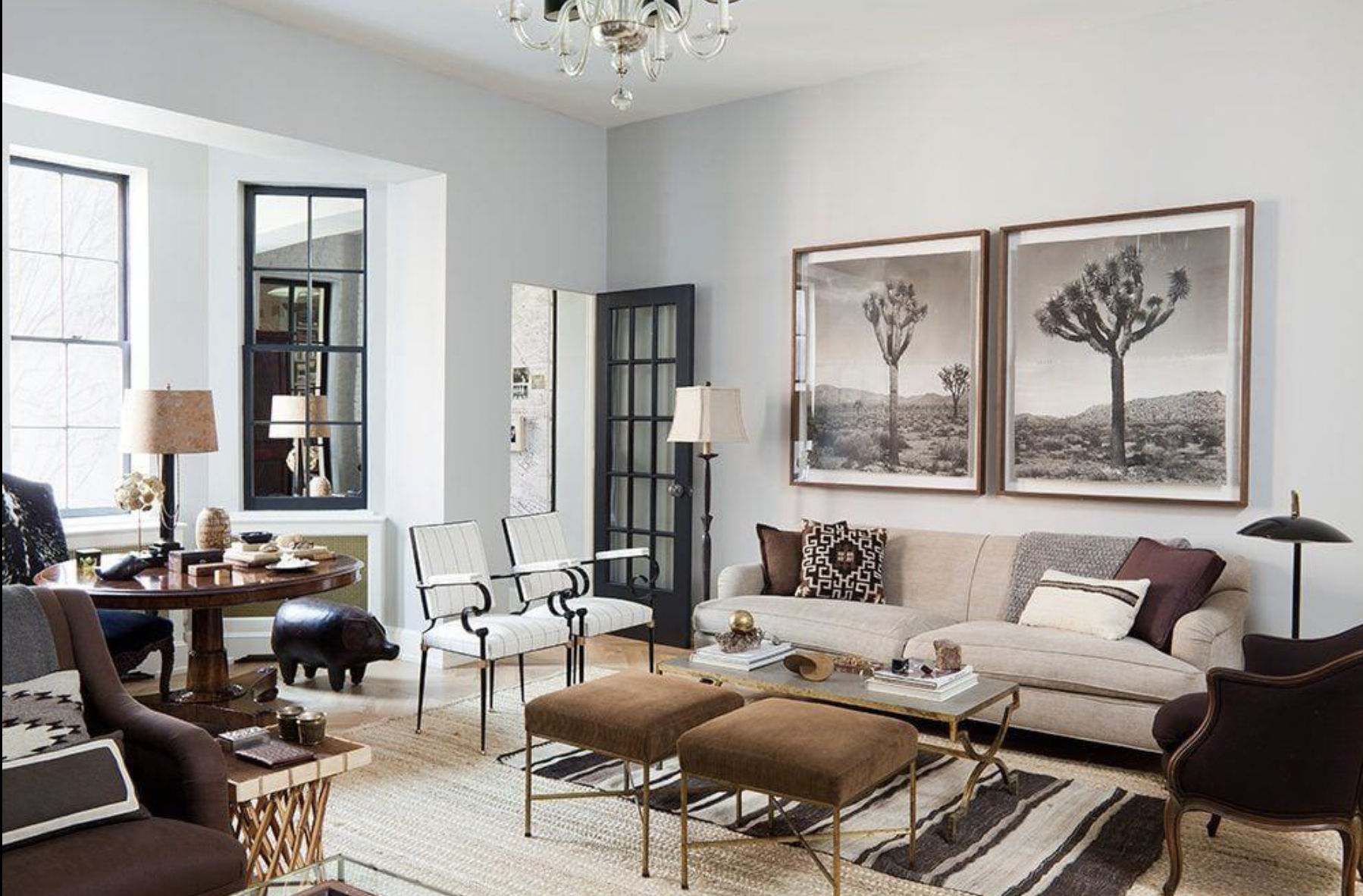
Have you ever walked into a room and thought…
"Something just doesn't feel right."
You can't quite put your finger on it.
The furniture is nice.
The paint color is pretty.
The room is clean.
And yet, it still feels...off.
As a home stylist, I hear this all the time. Many homeowners assume they need to buy new furniture or completely redecorate when, in reality, the problem is often much simpler.
Great design isn't about having expensive pieces—it's about creating balance. When one or two design elements are out of sync, the entire room can feel unsettled, even if you can't explain why.
Here are some of the most common reasons a room doesn't feel quite right—and how a few thoughtful adjustments can make all the difference.
The Rug Is Too Small
If there's one design mistake I see most often, it's an undersized rug.
A rug acts as the foundation of a room, helping anchor the furniture and define the space. When it's too small, everything feels like it's floating rather than working together.
A good rule of thumb is that at least the front legs of your furniture should sit on the rug. In many living rooms, an even larger rug creates a more comfortable, cohesive feel.
Sometimes simply changing the rug size can completely transform a space.
The Furniture Doesn't Fit the Room
Scale and proportion matter more than people realize.
An oversized sectional can overwhelm a small room, while furniture that's too petite can leave a large space feeling empty and disconnected.
It's not about buying larger or smaller furniture—it's about choosing pieces that are appropriately sized for both the room and each other.
The goal is balance.
Everything Is the Same Height
When every piece of furniture falls at a similar height, a room can feel surprisingly flat.
Think about walking into a room where the sofa, console table, side chairs, and artwork all sit on the same horizontal line.
Nothing draws your eye upward.
Adding taller elements—such as a floor lamp, a large plant, full-length drapery, or a statement piece of art—creates movement and gives the room more visual interest.
The Lighting Is Working Against You
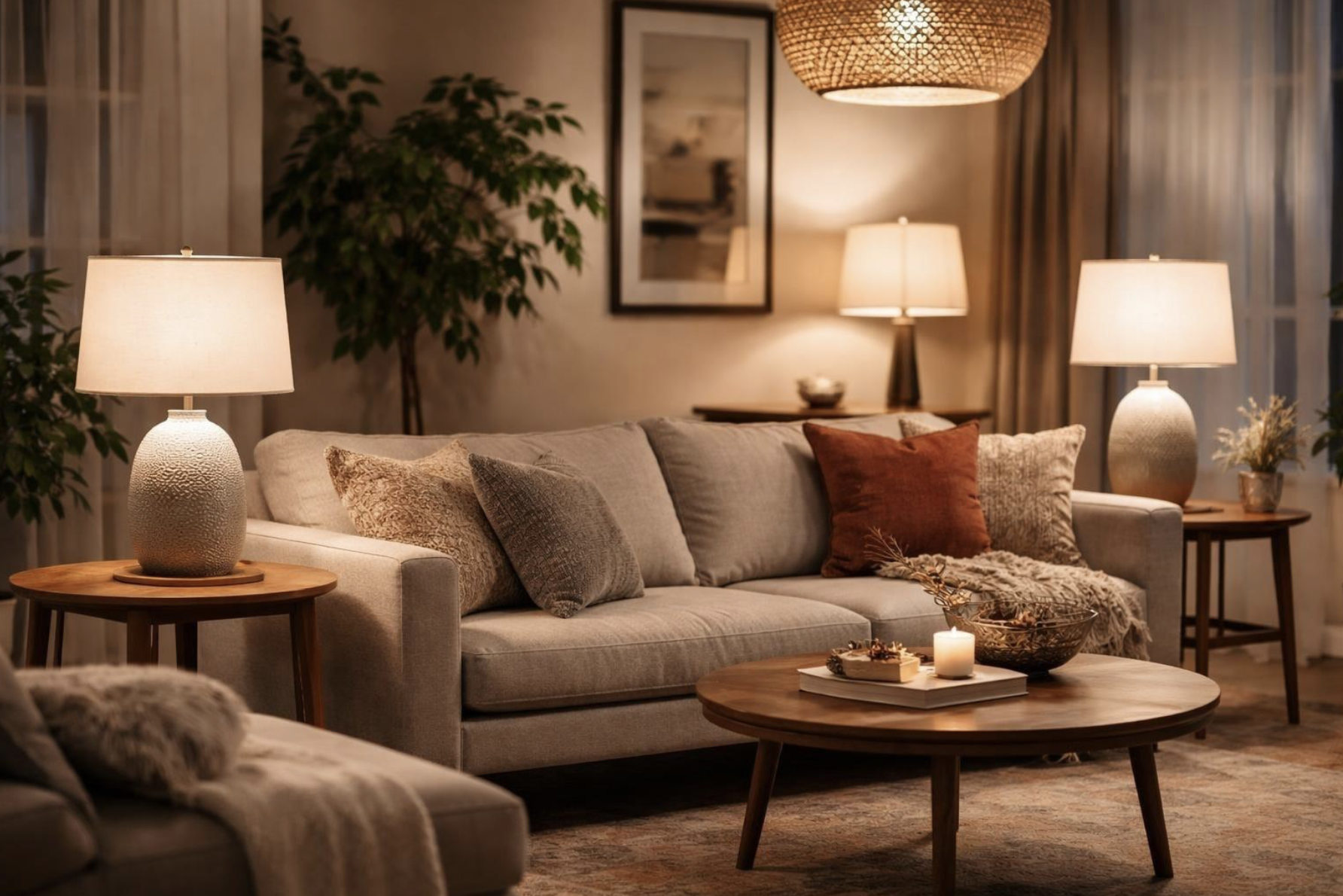
Lighting is one of the most overlooked parts of design.
A single ceiling fixture rarely creates a warm, inviting atmosphere.
Instead, think in layers:
Table lamps
Floor lamps
Accent lighting
Natural light
Each layer adds depth and helps a room feel cozy instead of stark.
Lighting doesn't just help you see your home—it helps you feel it.
Source: nobleandnook.co
There Isn't Enough Contrast
Rooms where everything is the same color, tone, or texture often feel flat.
On the other hand, too much contrast can feel busy or chaotic.
The sweet spot is thoughtful variety.
A light linen sofa paired with a warm wood coffee table.
Black accents in an otherwise soft, neutral room.
Natural woven baskets against painted cabinetry.
These contrasts give your eye somewhere to rest while adding richness to the space.
The Room Feels Too Perfect
This one surprises people.
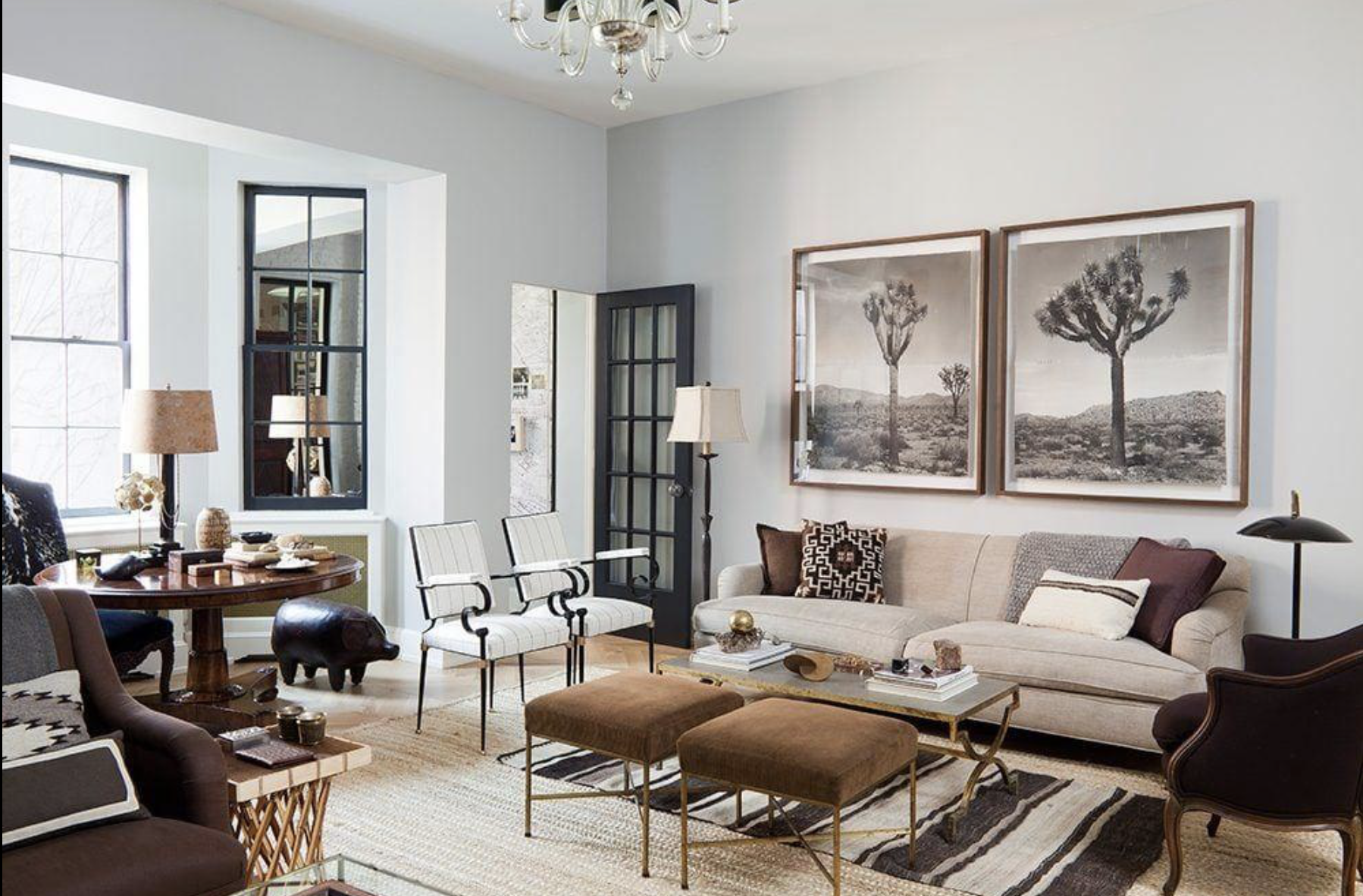
A room where everything matches perfectly can actually feel less inviting than one that's thoughtfully layered.
Homes with personality often include:
Vintage finds
Family heirlooms
Collected artwork
Handmade pottery
Books with stories to tell
One of my favorite sayings is:
"A well-curated home includes a nod to the past and a wink to the future."
Those personal touches are what make a house feel like home.
Source: Laurel Bern Interiors
There's No Clear Focal Point
Every room benefits from having one place where your eye naturally lands.
It might be:
A fireplace
A beautiful window
A statement light fixture
A piece of artwork
A striking piece of furniture
Without a focal point, the eye wanders, making the room feel unsettled.
Not every item needs to be the star.
Sometimes the best design choice is letting one beautiful feature shine while everything else quietly supports it.
It Doesn't Reflect the Way You Live
Perhaps the biggest reason a room feels "off" has nothing to do with design trends.
It's because the room isn't supporting your lifestyle.
Maybe there's nowhere to set down your coffee.
Maybe the family naturally walks through the middle of the seating arrangement.
Maybe the storage doesn't match how you actually use the space.
Beautiful rooms aren't just attractive—they're functional.
When your home works with your daily routines instead of against them, everything begins to feel easier.
Final Thoughts
The rooms that feel the most comfortable aren't necessarily the most expensive or the most perfectly decorated.
They're the ones where every element works together.
The scale feels balanced.
The lighting feels warm.
The furniture fits the space.
The room reflects the people who live there.
If a room in your home has never quite felt right, don't assume you need to start over.
Sometimes it's not about buying something new.
Sometimes it's simply about seeing your space in a new way.
Want help making your home feel warm, functional, and styled just for you? Let’s work together! Visit Home Space Harmony or follow along on Instagram @homespaceharmony for more ideas and inspiration.